Biodegradable Plastics – Researchers Develop Enzymes to Convert Biomaterials into Biodegradable Plastics Plastic pollution has become one of the most pressing environmental challenges of our time 04-09-2025
Biodegradable Plastics
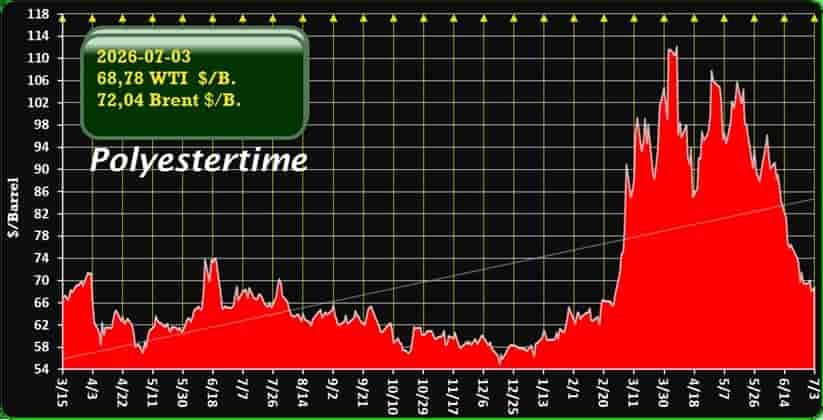
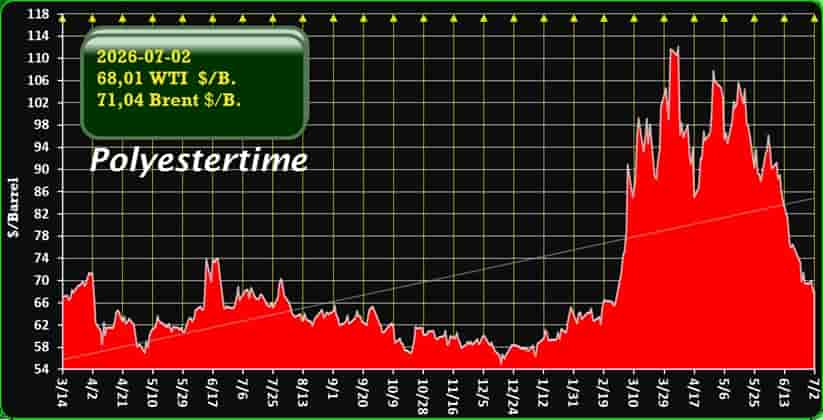
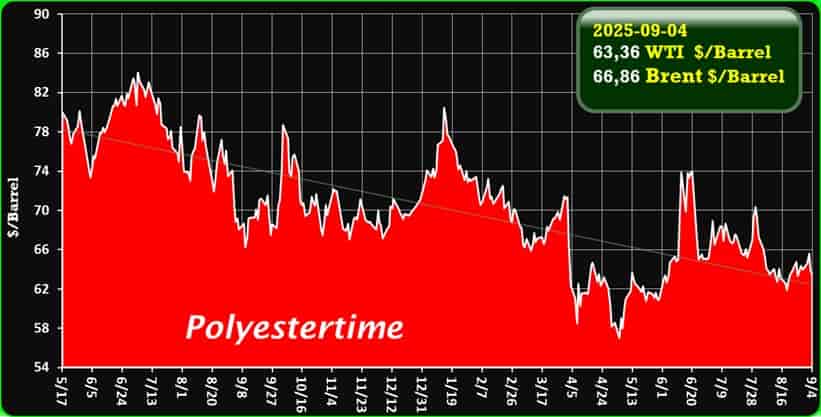
Crude Oil Prices Trend
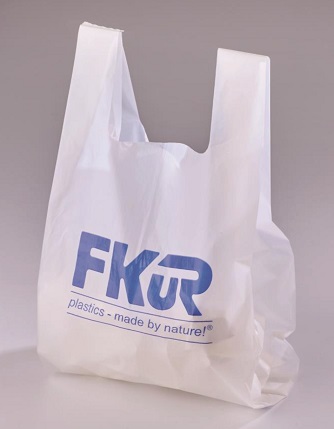
Bioplastics and PolyAl at K2025
FKuR unveils new biodegradable and recycled materials at Germany’s leading plastics trade fair.
Innovative Materials for a Circular Future
Under the theme “Plastics care for the future – Let’s keep it in the loop”, German compounder FKuR is set to showcase a range of new sustainable materials at K2025 in Düsseldorf. These innovations expand FKuR’s portfolio of bioplastics and recyclates, aligning with the latest Packaging Recycling Regulation (PPWR). Biodegradable Plastics
Bio-Flex-N Series: Soil-Degradable Biopolymers
One of the highlights is the Bio-Flex-N series, designed for agricultural and agri-food applications. These materials are certified by TÜV Austria with the “OK biodegradable SOIL” mark, confirming their ability to degrade in soil without leaving harmful residues or microplastics.
Some grades have already received certification, while others are undergoing final evaluation. The range includes formulations for molding, extrusion, and film production, making them ideal for products that remain in the environment or are difficult to collect post-use.
- Mulch films
- Tying ropes and clips for horticulture
- Tree protection elements
- Drainage pipes used in agriculture Biodegradable Plastics
Key Grades and Applications
Among the certified grades, Bio-Flex N 25370 stands out for its flexibility and density, making it suitable for molding and extrusion of tree protection grids and forestry shelters.
For film applications, FKuR offers:
- Bio-Flex N 21310 – A soil-degradable alternative to the industrially compostable Bio-Flex F 1140.
- Bio-Flex N 31310 – Known for its puncture resistance and toughness, ideal for mulches, netting, and labels.
For rigid components, Bio-Flex N 45261 is suitable for injection molding and extrusion, offering high stiffness and strength. Applications include clips, supports, and plant pots.
Paluren LDPE: Recycled from Beverage Cartons
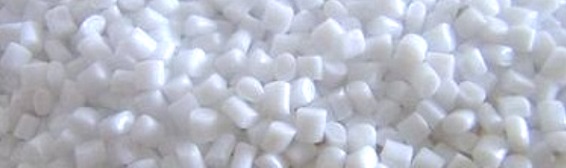
FKuR will also present Paluren LDPE, a low-density polyethylene derived from post-consumer beverage cartons (PolyAl). This material is produced by Palurec using a physical-mechanical process that avoids organic solvents. Biodegradable Plastics
Paluren contains approximately 4% flaked aluminum, giving it a unique appearance. It can be processed like conventional polyethylene, including hot-runner injection molding, and is compatible with welding and gluing techniques.
Biobased Compounds on Display
FKuR’s exhibition will also feature products made with Terralene biobased compounds, which are based on bio-PE. Additionally, materials from Braskem’s I’m green line, including biobased polyethylene and EVA grades, will be showcased. Biodegradable Plastics
These materials reflect FKuR’s commitment to sustainability and innovation, offering alternatives that reduce environmental impact while maintaining performance and versatility.
Performance and Technical Highlights
FKuR’s new materials are engineered for compatibility with existing processing technologies. Whether through extrusion, injection molding, or film blowing, manufacturers can integrate these sustainable compounds without overhauling their production lines.
Key technical benefits include:
- High mechanical strength and flexibility Biodegradable Plastics
- Soil-degradability without microplastic release
- Recyclability and compatibility with standard LDPE processes
- Distinctive appearance due to aluminum flakes in Paluren
Trackability and Reusability
All materials are designed with traceability in mind. Certifications like OK biodegradable SOIL ensure transparency and compliance with environmental standards. Reusability is also a key feature, especially in applications where durability and lifecycle extension are critical. Biodegradable Plastics
Researchers Develop Enzymes to Convert Biomaterials into Biodegradable Plastics
By Science & Innovation Desk | Published September 2025
Why Bioplastics Matter
The global plastics industry is worth nearly $1 trillion, with production exceeding 400 million metric tons annually. Yet, less than 10% of plastics are recycled, leaving the rest to accumulate in the environment. Traditional plastics rely heavily on petroleum and natural gas, much of which is imported. By contrast, the proposed bioplastics, known as polyhydroxyalkanoates (PHAs), could reduce dependency on fossil fuels while offering a sustainable, reusable alternative. Biodegradable Plastics
Dr. Karthik Sankaranarayanan, assistant professor of agricultural and biological engineering at Purdue University, emphasizes the potential of these new materials: “You can take these polymers and break them down into their individual units and reuse them again and again.”
Bioplastics with Mechanical Strength
One of the challenges in adopting biodegradable plastics has been their fragility and instability at high temperatures. Many earlier attempts could not match the durability of conventional plastics.
However, this new project seeks to overcome those limitations by engineering polymers that combine toughness, malleability, and thermal stability.
Applications could range from everyday packaging materials to advanced biomedical devices. Biodegradable Plastics
The ability to fine-tune the chemical structure of these plastics offers flexibility across multiple industries.
The Role of Biocatalysis
At the heart of the project is biocatalysis—a process that uses enzymes to speed up chemical reactions without the need for harsh chemicals or extreme industrial conditions. By leveraging advanced computational tools, Purdue researchers are identifying enzyme candidates capable of efficiently producing the desired bioplastics.
Partners across multiple universities are bringing their expertise to the table:
- UCSF researchers are using deep learning techniques for protein computational design.
- Stanford University will test the engineered enzymes for functionality.
- Purdue University will analyze reaction efficiency and polymer strength.
- UC Berkeley will assess scalability, commercialization potential, and microbial engineering. Biodegradable Plastics
Overcoming Challenges in Enzyme Engineering
The researchers are working primarily with polyketide synthases (PKSs)—complex enzymes typically responsible for producing antibiotics. Adapting them for bioplastic production requires altering their natural chemistry and improving their stability for industrial environments.
Another hurdle lies in the DNA composition of PKSs, which is rich in guanine and cytosine bases. This makes synthetic DNA manufacturing difficult. To address this, Twist Bioscience is providing cutting-edge DNA engineering technology to produce the necessary sequences. Biodegradable Plastics
“This project provides a powerful example of how innovation and partnership can expand the boundaries of discovery for multiple real-world applications,” said Emily Leproust, CEO and co-founder of Twist Bioscience.
Impact Beyond Bioplastics
While the immediate focus is on bioplastics, the potential applications of this research extend much further. The open-source tools and workflows being developed could be adapted for use in pharmaceuticals, agrochemicals, pesticides, herbicides, and other biomaterials such as rubber. Biodegradable Plastics
Additionally, the project emphasizes education and workforce development. Graduate and undergraduate students from fields like engineering, computer science, chemistry, and biotechnology will gain hands-on experience in cutting-edge research. Collaborative workshops on protein design will also make these resources available to the wider scientific community.
Collaboration Across Institutions
This initiative stands out not just for its technological ambitions but also for its collaborative nature. Teams from Purdue, UCSF, Stanford, UC Berkeley, and Twist Bioscience are pooling their expertise to solve a global problem with far-reaching consequences. Biodegradable Plastics
“One thing I really enjoy about this grant is we have investigators, postdocs and graduate students from all these different universities, each of whom bring a unique set of strengths,” said Dr. Sankaranarayanan. “This opportunity for students to interact with researchers across institutions is truly exciting.”
Looking Ahead
The NSF-funded project is part of the Use-Inspired Acceleration of Protein Design initiative, launched through the Directorate for Technology, Innovation and Partnerships. Over the next three years, the research team will work to refine enzyme engineering, scale up production, and explore commercialization pathways. Biodegradable Plastics
If successful, this effort could transform how plastics are produced and recycled, offering a viable alternative to petroleum-based materials while reducing environmental impact and boosting U.S. manufacturing resilience.
?? EU Policy Brief Pushes for Stronger Bio-Based Innovation Policies
A new policy brief urges the European Commission to strengthen cooperation, financing, and market conditions to fully unlock Europe’s bioeconomy potential.
?Why Bio-Based Innovation Matters
The European Union is at a pivotal moment in shaping its future economy. With climate change, biodiversity loss, and resource scarcity pressing harder than ever, the EU is turning to bio-based innovation as a key solution. A thriving bioeconomy can provide sustainable alternatives to fossil-based systems and spur innovation across food, energy, materials, and industrial processes. Biodegradable Plastics
Recognizing this, the EU-funded ShapingBio project has released a new policy brief calling for concrete measures that could transform the EU’s bioeconomy landscape. These insights will feed into the upcoming New EU Bioeconomy Strategy, an essential component of Europe’s transition to a circular and climate-neutral economy.
?Key Recommendations at a Glance
The policy brief identifies urgent gaps and offers practical steps to address them. The main recommendations include:
- Stronger strategic cooperation: Improve coordination across Member States and regions by fostering dialogue between education, industry, civil society, and policymakers. Biodegradable Plastics
- Improved financing access: Align funding mechanisms with innovators’ needs, support higher Technology Readiness Levels (TRLs), and expand public-private partnerships to help scale ideas from lab to factory.
- Harmonized market conditions: Standardize and support demand-side policies that accelerate the adoption of bio-based products across Europe.
These measures aim not only to strengthen innovation but also to secure Europe’s position as a global leader in sustainable biomanufacturing.
?A Collective Effort with Stakeholders
The recommendations are backed by an extensive consultation process. Nearly 2,000 bioeconomy stakeholders—including policymakers, industry leaders, researchers, and civil society—contributed through surveys, interviews, and 45 events organized between 2022 and 2025. Biodegradable Plastics
Sven Wydra, coordinator of the ShapingBio project and Business Unit Bioeconomy and Life Sciences at Fraunhofer ISI, highlighted the importance of unity:
“Europe has strong assets in the bioeconomy, from diverse biomass resources to leading research and innovation. But fragmented strategies and uneven capacities hold us back. To deliver on sustainability and stay competitive, we need coherent policies that promote collaboration, better financing, and Europe’s leadership in sustainable biomanufacturing.” Biodegradable Plastics
?Why the Bioeconomy Is Essential
The bioeconomy isn’t just about science—it’s about society. By replacing fossil-based systems, it directly addresses challenges such as:
- ?️ Climate change mitigation
- ? Biodiversity preservation
- ⚡ Resource and energy security
- ?️ Food system resilience
Cross-sectoral collaboration is critical here. Bio-based innovations can reshape agriculture, industry, and energy production, but they require supportive governance and a strong ecosystem to succeed. Biodegradable Plastics
?Detailed Recommendations
Beyond the headline points, the ShapingBio project has produced in-depth analyses covering:
- Policy and governance alignment across Member States
- Applied research, development, and technology transfer
- Cross-sectoral collaboration between industries and academia
- Improved financing frameworks for scaling up innovation
These detailed reports provide actionable pathways for policymakers to bridge the gap between strategic goals and practical implementation. The documents are freely accessible online, offering guidance not just for the Commission, but also for Member States and stakeholders throughout Europe. Biodegradable Plastics
?Alignment with Europe’s Green Agenda
The policy brief directly supports flagship EU initiatives such as the Clean Industrial Deal and the Circular Economy Action Plan. By implementing ShapingBio’s recommendations, Europe could accelerate its transformation into a resilient, competitive, and climate-neutral economy.
This alignment ensures that bio-based innovations won’t just remain niche solutions but will become mainstream pillars of Europe’s sustainability agenda in the decades ahead.
?About the ShapingBio Project
ShapingBio is an EU-funded project coordinated by Fraunhofer ISI. Its mission is to reduce fragmentation across bio-based sectors and strengthen the food system by providing evidence-based recommendations for better policy alignment.
The project plays a crucial role in translating research into actionable policies, bridging the gap between knowledge and real-world deployment.
Its cross-sectoral focus ensures that the bioeconomy’s potential is maximized across industries, regions, and governance levels. Biodegradable Plastics
?Looking Ahead
The upcoming New EU Bioeconomy Strategy represents a decisive step toward a sustainable European future. With ShapingBio’s recommendations in hand, the European Commission has the tools to:
- Promote stronger collaboration between countries and regions
- Unlock new financing channels for innovators
- Create favorable market conditions for bio-based solutions
If implemented effectively, these measures could cement Europe’s leadership in bio-based innovation while securing both environmental and economic resilience.
✨Polyplastics-Evonik’s TROGAMID® Chosen for Seiko’s New Eyewear Collection
Seiko Optical Products has adopted Polyplastics-Evonik’s high-performance transparent polyamide TROGAMID® for its innovative “Seiko Light and Fitting – Black Leaf” eyewear series. Biodegradable Plastics
Reinventing Eyewear Materials
The eyewear industry has long relied on acetate as the go-to material for premium frames. While acetate offers durability and aesthetic appeal, it presents challenges when balancing lightness and luxury. Heavy frames create pressure on the ears and nose, while ultra-light frames often feel less premium.
Seiko Optical Products set out to solve this contradiction. From the earliest design stages, their team explored advanced materials that could combine elegance with functionality. That’s where TROGAMID® entered the picture. Biodegradable Plastics
TROGAMID®: A Material That Redefines Possibilities
TROGAMID® is a high-performance transparent polyamide developed by Polyplastics-Evonik. It is widely recognized for its lightweight structure, toughness, and transparency. These characteristics make it a standout choice for industries ranging from sports to medical devices—and now, premium eyewear.
A developer from Seiko’s Frame Division explained: “When frames are heavy, they put pressure on the ears and nose during long wear. On the other hand, if they’re too light, they can lose their sense of luxury. TROGAMID® enabled us to achieve both.”
Designing Eyewear with Comfort and Style Biodegradable Plastics
By leveraging TROGAMID®, Seiko created a frame that is both slim and robust. The result is eyewear that feels effortless to wear, even for long periods, while still maintaining a premium aesthetic.
To reinforce its high-value positioning, the frames feature a gold-engraved TROGAMID® logo. This branding not only signals quality but also strengthens consumer trust in both the material and the product line.
Why TROGAMID® Works for Eyewear
- ? Lightweight yet durable: reduces strain while maintaining resilience.
- ? Luxurious feel: thin frames without compromising elegance.
- ? Transparency: allows for sophisticated design possibilities.
- ?️ High toughness: ensures long-lasting wear and impact resistance.
This combination of features makes TROGAMID® a game-changer in eyewear innovation. Biodegradable Plastics
Impact on the Eyewear Market
Consumers today expect more from their eyewear—lightness, comfort, durability, and aesthetic appeal. The integration of TROGAMID® helps brands like Seiko stay ahead of consumer demands by delivering frames that check all the boxes.
This development is more than a material upgrade—it represents a strategic move for Seiko. By adopting cutting-edge materials, the company strengthens its reputation for innovation and premium craftsmanship in a highly competitive market.
Broader Applications Beyond Eyewear
While this collaboration highlights TROGAMID®’s role in eyewear, its applications extend far beyond. Biodegradable Plastics
Industries that require lightweight transparency with high toughness—such as automotive, sports, and healthcare—stand to benefit greatly from this material.
Polyplastics-Evonik continues to position TROGAMID® as a versatile solution that enables product innovation across multiple sectors.
Polyplastics-Evonik’s Commitment to Innovation
Polyplastics-Evonik has built its reputation on providing high-performance resins that support industry-leading designs. By offering materials like TROGAMID®, the company helps manufacturers deliver products that elevate user experience and brand value.
This partnership with Seiko is just one example of how the company’s expertise translates into real-world innovations that consumers can appreciate every day.
Looking Ahead
As eyewear continues to evolve from a functional accessory to a statement of identity and lifestyle, materials will play a crucial role in shaping design and usability. With TROGAMID® paving the way, future eyewear collections can offer unprecedented levels of comfort, durability, and luxury. Biodegradable Plastics
For Seiko Optical Products, this is an opportunity to set new benchmarks in eyewear excellence. For Polyplastics-Evonik, it’s further proof that innovative materials can transform industries and redefine consumer expectations.
? TEXTILCOLOR AG Acquires Pyroshell™ Patents
?Why This Acquisition Matters
By acquiring the patents, TEXTILCOLOR goes beyond simply manufacturing the chemical components of Pyroshell™. The company now holds the application technology, ensuring end-to-end expertise in producing advanced protective textiles. This strategic decision allows TEXTILCOLOR to make Pyroshell™ accessible to a wider customer base, particularly those in high-tech textile manufacturing and industries where safety is paramount.
?What Is Pyroshell™?
Pyroshell™ represents a patented, permanent flame protection solution for polyamide and polyester fabrics. It is a true milestone in protective equipment for synthetic textiles. The core innovation lies in its ability to significantly reduce the risk of burns in extreme environments. Biodegradable Plastics
When exposed to flames, the textile structure treated with Pyroshell™ expands in volume. This effect keeps heat and fire-promoting gases away from the fabric, doubling the reaction time between the sensation of heat and the onset of second-degree burns. ⏱️ In real-world scenarios, this can mean the difference between injury and survival.
?How Pyroshell™ Works
Unlike conventional flame-retardant treatments, Pyroshell™ is integrated into the textile fibers themselves. This ensures that the protection:
- ?️ Cannot be washed out
- ? Maintains breathability and comfort
- ? Preserves elasticity and freedom of movement Biodegradable Plastics
- ? Remains halogen-free and environmentally responsible
These features make Pyroshell™ particularly valuable for professionals exposed to sparks, flames, or sudden fire events—such as security personnel, railway workers, police officers, electricians, and military special forces.
?Real-World Applications
Pyroshell™ is already trusted in tactical gear. For instance, it has been used in UF PRO’s Striker FR Gen.2 BDU, designed for environments involving flashover fires or IED scenarios. This real-world application underscores its reliability under the most demanding conditions. Biodegradable Plastics
✅Key Benefits at a Glance
- ? Permanent flame protection – resistant to washing and wear
- ? Compatible with synthetic fabrics such as polyamide and polyester
- ? Breathable, water- and wind-repellent, while staying comfortable
- ? Tear- and abrasion-resistant, ensuring long-lasting durability
- ♻️ Sustainable – halogen-free, integrated protection instead of coatings
- ? Patent protection until 2037, ensuring strong market security
?️Leadership Perspective
Detlef Fischer, CEO of TEXTILCOLOR AG, commented:
“The acquisition is another milestone in our long-term growth strategy in high-tech textile technologies. With Pyroshell™, we are not only acquiring a renowned technology but also a team of highly qualified application engineers. Biodegradable Plastics
This enables us to support customers worldwide in integrating Pyroshell™ into their production processes. We are committed to developing sustainable, future-oriented solutions while strengthening our global partner network.”
?Looking Ahead
The acquisition of Pyroshell™ aligns perfectly with TEXTILCOLOR’s long-term vision: combining innovation, sustainability, and market leadership. By securing intellectual property rights until 2037, the company ensures that customers and partners benefit from uninterrupted access to this technology for years to come.
As industries continue to demand stronger, safer, and more comfortable protective textiles, TEXTILCOLOR is positioning itself as a trusted innovator, delivering products that balance performance, safety, and sustainability. Biodegradable Plastics
⚙️Why It Matters for the Industry
The global textile industry is undergoing a transformation. Beyond fashion, textiles are increasingly about function, resilience, and protection. Flame-resistant materials play a crucial role not only in military and industrial contexts but also in ensuring safety for everyday professionals working in hazardous conditions. Pyroshell™ offers a proven, permanent solution that redefines what protective textiles can achieve.
✨Conclusion
The acquisition of Pyroshell™ by TEXTILCOLOR AG is more than just a business move—it is a commitment to advancing textile innovation and safety worldwide. With its permanent flame-protection capabilities, eco-friendly composition, and unmatched durability, Pyroshell™ stands as a benchmark in the protective textile sector. Backed by TEXTILCOLOR’s global reach and technical expertise, the future of protective fabrics looks safer, smarter, and more sustainable than ever before. Biodegradable Plastics
? Trump Tariffs and the Global Petrochemicals Shake-Up
Key Takeaways:
- ⚖️ Petrochemicals supply projected to exceed demand by 20%–25% by 2030.
- ?? South Korea cutting capacity in response to U.S. tariffs.
- ?? China considering closing loss-making petrochemical plants.
? A Trade War Triggering Industry Restructuring Biodegradable Plastics
U.S. President Donald Trump’s tariff policies are accelerating a painful—but perhaps much-needed—contraction in the petrochemicals industry.
After years of rapid expansion, the global plastics market is facing severe overcapacity, crushing profits and forcing producers to rethink strategy.
Petrochemicals are essential for everything from packaging and electronics to renewable energy components and auto parts. Demand will keep growing, especially across Asia’s expanding middle class, but the mismatch between supply and demand is dragging the industry into one of its deepest crises. Biodegradable Plastics
? Petrochemicals and Oil: A Symbiotic Relationship
The International Energy Agency (IEA) projects petrochemical feedstock demand—naphtha, propane, and ethane—to rise by 2.1 million barrels per day (MMbpd) between 2024 and 2030. By the end of the decade, this would reach 18.4 MMbpd, boosting petrochemicals’ share of total oil consumption from 15.8% to 17.4%.
This explains why energy giants such as ExxonMobil, Saudi Aramco, and Adnoc are betting heavily on petrochemicals. For them, plastics provide a lifeline as electric vehicles erode traditional fuel demand.
Meanwhile, China has expanded domestic production to reduce reliance on imports, and U.S. producers have thrived on cheap shale-derived ethane. Biodegradable Plastics
⚠️ Oversupply Crisis: Shrinking Margins Everywhere
Since 2022, rapid capacity additions have thrown global markets out of balance.
Chinese propane dehydrogenation (PDH) margins have been negative for nearly two years, and naphtha margins in Asia, Europe, and the U.S. have also dipped below zero.
This slump has hit corporate earnings hard:
- ?? South Korea’s LG Chem and Lotte Chemical posted 2024 losses.
- ?? U.S. giant Dow Inc. slashed its dividend after reporting a quarterly loss.
- ?? BASF and Dow both lowered full-year earnings guidance.
Worse still, overcapacity is projected to deepen: supply could exceed demand by 20–25% by 2030, according to the Institute for Energy Economics and Financial Analysis.
?? South Korea: Forced to Cut Back
The U.S. tariffs landed hard on South Korea, where petrochemicals are a top-five export sector critical to cars and electronics. Initially set at 25%, tariffs were later reduced to 15% after negotiations—but the damage was done. Biodegradable Plastics
In the first half of 2024, South Korea’s petrochemical exports to the U.S. fell more than 20% year-over-year.
In response, Seoul pressed 10 major companies to slash annual naphtha-cracking capacity by up to 3.7 million tonnes, or nearly a quarter of national capacity. This marks one of the most aggressive restructurings the sector has seen in years.
?? Europe: High Costs and Plant Closures Biodegradable Plastics
Europe’s petrochemical industry is being squeezed from two sides: high energy costs following the 2022 energy crisis, and weakening demand outlook due to trade wars.
The result? Closures across France, Germany, and the UK. Dow, for instance, is shutting down three European plants in 2024.
The European sector now faces the prospect of long-term decline unless costs are reduced or demand rebounds significantly.
?? China: Toward “Anti-Involution”
China, the world’s largest petrochemicals producer, is exploring ways to reduce wasteful competition. The government is reportedly weighing the closure of older, unprofitable plants under its “anti-involution” policy—an effort to prevent destructive oversupply.
However, with vast new capacity still coming online, any closures are unlikely to fully solve the global glut. Resistance from local governments, who see plants as key employers, will also complicate reforms. Biodegradable Plastics
⏳ A Long Road to Balance
Industry leaders, including Shell’s CEO Wael Sawan, warn that the petrochemical slump could persist for years. Overcapacity, trade disputes, and uneven global restructuring mean recovery will not come quickly.
Ironically, Trump’s tariffs—while painful—may act as a catalyst. By forcing restructuring in South Korea and highlighting the risks of over-reliance on U.S. markets, they could nudge the industry toward the long-overdue supply discipline it desperately needs.
? What This Means for the Future
The petrochemicals industry is at a crossroads:
- ? Global capacity will keep rising, especially in Asia. Biodegradable Plastics
- ? Profitability will remain under strain unless significant restructuring occurs.
- ⚡ Oil demand will stay tied to plastics, even as transport fuel demand declines.
- ? Plant closures and consolidation are inevitable, though politically challenging.
For policymakers and companies, the challenge is clear: align capacity with realistic demand growth while avoiding destructive competition. The winners will be those who adapt quickly to market realities and invest in efficiency and sustainability.