Oil Prices Iran: Why Brent and WTI Are Holding Below War-Premium Levels
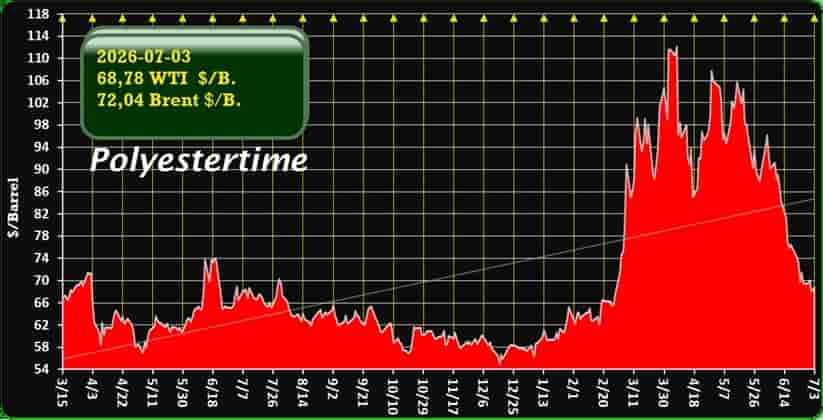
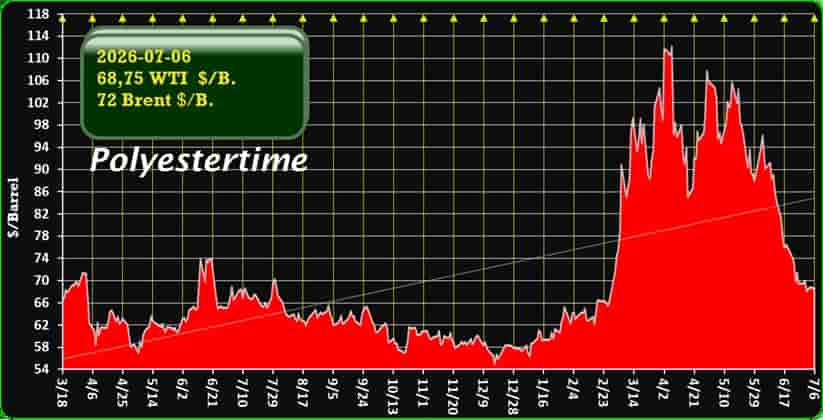
Brent near $72 and WTI near $69.5 show that traders have reduced the extreme US-Iran war premium, but the Strait of Hormuz remains the key risk for oil prices.

Brent near $72 and WTI near $69.5 show that traders have reduced the extreme US-Iran war premium, but the Strait of Hormuz remains the key risk for oil prices.
Brent near $72 and WTI near $69.5 show how oil prices Iran risk is easing, but Hormuz and US-Iran talks still matter.
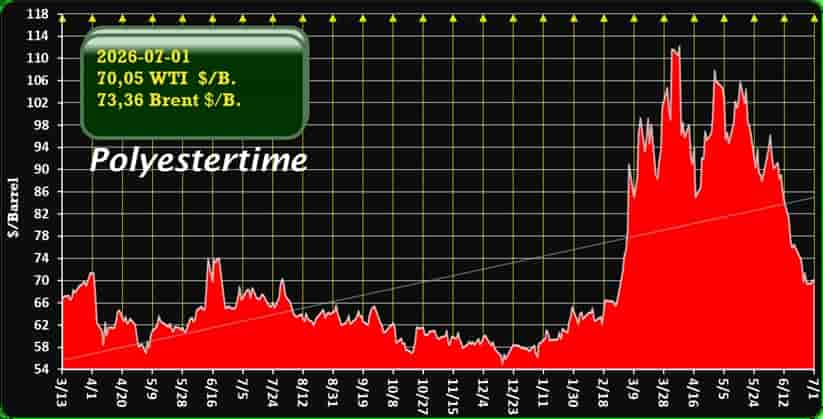
Brent near $73 and WTI near $69.5 show how oil markets are pricing a lower—but still fragile—war premium around the US-Iran conflict.
Oil prices Iran analysis: Brent near $73 and WTI near $70 as Hormuz shipping improves, but ceasefire risk keeps crude markets volatile.
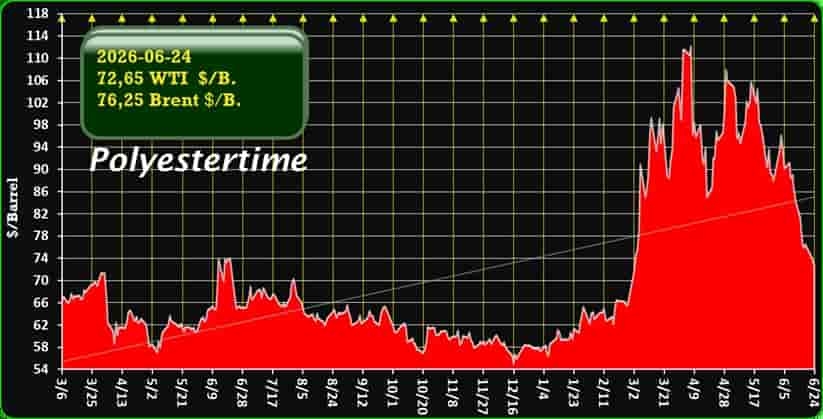
Brent is trading near $76 per barrel and WTI near $73 as oil markets reassess the U.S.–Iran war risk premium. The fall reflects hopes for a partial reopening of the Strait of Hormuz, but supply chains, inventories and geopolitical risks remain fragile.
Oil prices have retreated sharply as US-Iran peace hopes reduce the geopolitical risk premium. But with Brent near $76 and WTI around $73, markets remain exposed to Hormuz shipping risks, inventory pressure and fragile diplomacy.
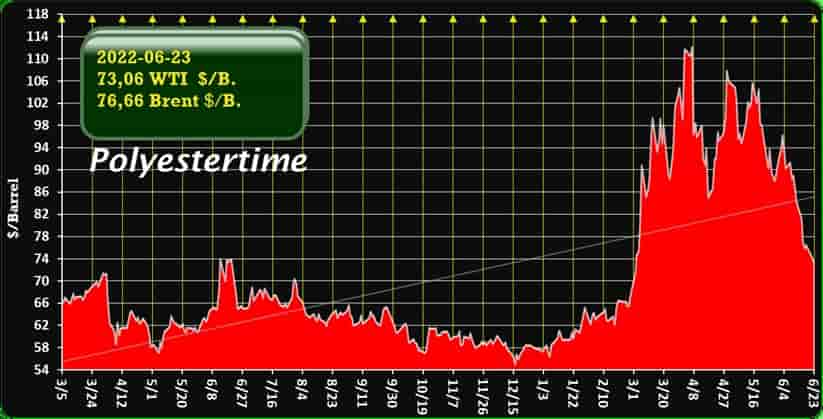
Oil prices have eased from recent crisis highs, with Brent around $79 and WTI near $76. But the U.S.–Iran conflict, the Strait of Hormuz and fragile diplomacy still leave global energy markets exposed to sudden shocks.
Brent and WTI have eased from wartime highs, but the oil market remains exposed to the US-Iran conflict, the reopening of the Strait of Hormuz, and fragile global supply chains.
Oil prices have retreated from crisis highs as hopes grow around a US-Iran deal and a reopening of the Strait of Hormuz. Yet Brent near $78 and WTI near $75 still reflect a market balancing geopolitical relief against fragile supply chains.