Electric Cars Are Reshaping Global Power as China Leaves Europe Behind, Exposing a Decade-Long Gap in Technology, Industry Strategy, and Innovation 05-01-2026
Electric Cars Are Redefining the Automotive Industry
Electric cars are no longer a niche innovation or a future promise. They are now the central force reshaping the global automotive industry. For more than a century, car manufacturers focused on producing and selling as many vehicles as possible, driven by internal combustion engines and economies of scale. That era is ending rapidly.
In the 21st century, cars have evolved into complex technological platforms. Software, connectivity, batteries, and energy efficiency now matter as much as engines once did. At the same time, governments have stepped in with strict emissions regulations, forcing automakers to rethink everything from design to supply chains. Electric cars sit at the center of this transformation.
According to Josep Maria Recasens, director of Renault Spain, this shift has fundamentally altered the balance of power in the automotive world. His assessment is blunt and alarming for Europe: China is at least ten years ahead in electric cars.
From Combustion Engines to Electric Cars
Europe historically dominated the automotive sector. Alongside the United States and Japan, it built the foundations of modern mobility. A vast industrial ecosystem grew around combustion engines, supported by specialized suppliers, engineering expertise, and decades of incremental innovation.
This model created stability and global leadership, but it also created dependence. When electric cars emerged as the future of mobility, many European manufacturers tried to adapt existing systems instead of rebuilding from scratch. China took a different approach.
Electric cars are not simply combustion vehicles with batteries. They require new skills, new supply chains, and new thinking. This difference explains why the transition has been so disruptive for traditional automakers.
Why China Leads the Electric Cars Revolution
China’s advantage in electric cars goes far beyond vehicle assembly. According to Recasens, the country leads across the entire value chain. This includes access to raw materials, battery production, industrial scaling, and specialized knowledge.
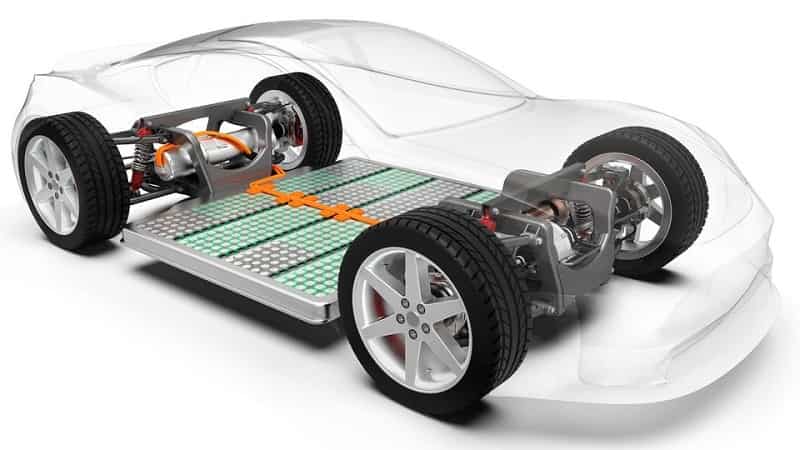
China invested early in mining and securing critical materials such as lithium and rare earths. It also developed massive battery manufacturing capacity while Europe remained fragmented and cautious. Batteries are the most expensive and strategic component of electric cars, and leadership in this area translates directly into market dominance.
Additionally, Chinese companies embraced electric cars as a national industrial priority. Government policy, infrastructure development, and consumer incentives aligned around a single goal: becoming the global leader in electric mobility.
Technology as the New Automotive Battlefield
The automotive sector has become one of the most effective ways to standardize and distribute technology worldwide. Electric cars function as rolling computers, integrating software, sensors, connectivity, and artificial intelligence.
China recognized this shift earlier than Europe. While traditional manufacturers focused on protecting combustion engine expertise, Chinese companies built electric-first platforms optimized for digital systems. This gave them a structural advantage that cannot be closed quickly.
Every year Europe delays its full commitment to electric cars widens the gap. Recasens emphasizes that continuing to invest heavily in combustion technology only strengthens China’s lead.
The Cost of Delay for Europe
Europe still has world-class engineering talent and strong automotive brands, but time is no longer on its side. Electric cars require speed, scale, and coordinated strategy. Fragmented regulations, slow infrastructure deployment, and resistance to change have slowed progress.
Focusing on extending the life of combustion engines may protect short-term jobs, but it risks long-term competitiveness. As Chinese electric cars become more affordable and technologically advanced, they will increasingly dominate global markets, including Europe.
The challenge is not only economic but also strategic. Control over electric car technology influences energy independence, data management, and industrial sovereignty.
What This Means for Renault and European Automakers
For companies like Renault, the warning is clear. Competing in the electric cars market requires abandoning old assumptions. Success depends on mastering batteries, software, and scalable electric platforms rather than refining legacy engines.
Recasens’ message is not pessimistic but urgent. Europe still has the capacity to respond, but only if it treats electric cars as a complete industrial reset rather than a gradual evolution.
This means deeper investment in battery ecosystems, stronger collaboration between governments and manufacturers, and faster adoption of electric-first strategies.
Electric Cars and the Future of Global Mobility
Electric cars are no longer just vehicles. They represent the future of mobility, energy use, and technological leadership. China understood this early and acted decisively. Europe now faces the consequences of hesitation.
The next decade will determine whether European automakers regain relevance or become dependent on foreign technology. As Recasens highlights, the rules of the game have already changed. The question is whether Europe is ready to play by them.
More…