Oil Prices Ease Slightly, but US-Iran Uncertainty Keeps Markets on Edge
Oil prices are showing signs of easing after weeks of extreme volatility linked to tensions in the Middle East.
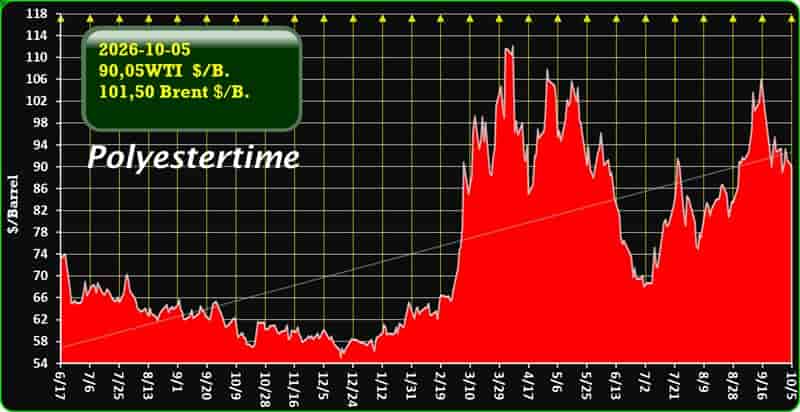
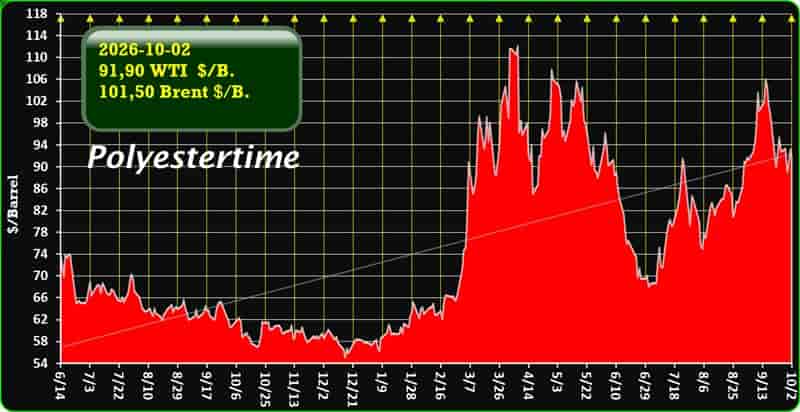
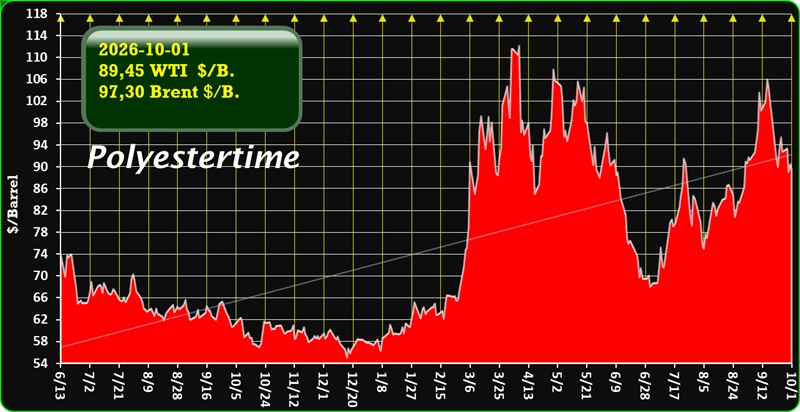
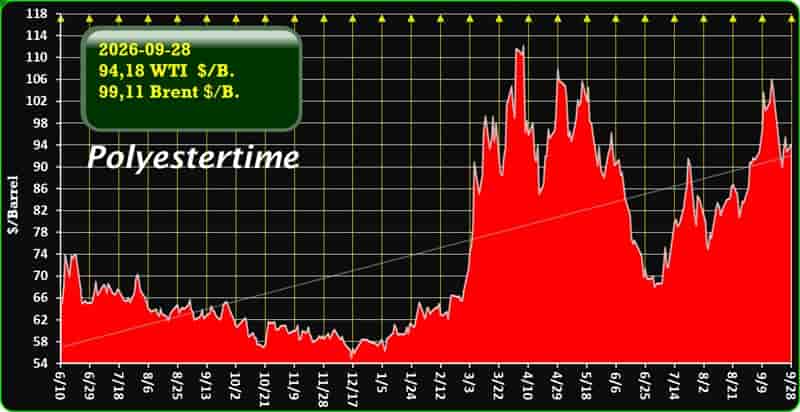
Brent crude is hovering around 101 dollars per barrel, while WTI remains near 95 dollars. The decline reflects cautious optimism in the markets regarding the possibility of a diplomatic understanding between the United States and Iran, especially after reports of indirect negotiations and proposals for a temporary ceasefire in the Strait of Hormuz area.
However, despite the recent fall in prices, uncertainty remains extremely high. Traders and analysts continue to price in a significant geopolitical risk premium because the prospects for a stable agreement between Washington and Tehran are far from guaranteed. The market has become highly sensitive to every statement coming from the White House or Iranian authorities, with oil prices reacting sharply to rumors, diplomatic signals and military incidents.
One of the key reasons for this uncertainty is the unpredictable behavior of President Donald Trump. Financial markets have repeatedly struggled to interpret the American administration’s real intentions toward Iran. In recent weeks Trump has alternated between conciliatory messages suggesting that an agreement is close and aggressive threats of renewed military action if Tehran refuses American conditions. This inconsistency has increased volatility in energy markets and complicated diplomatic efforts.
The oil market has already experienced dramatic swings as a consequence of these contradictory signals. After indications that negotiations between the United States and Iran were progressing, Brent crude fell sharply below 100 dollars per barrel before rebounding again when tensions resumed in the Strait of Hormuz. Analysts note that the market is reacting less to concrete developments and more to perceptions regarding Trump’s next move.
The Strait of Hormuz remains at the center of global attention because it is one of the world’s most strategic energy chokepoints. Around one fifth of global oil trade normally passes through this narrow maritime corridor. Any threat to navigation immediately affects expectations about global supply and therefore oil prices. The crisis of recent months has demonstrated how vulnerable international markets remain to geopolitical instability in the Gulf region.
Yet the obstacles to an agreement are not limited to the United States. Iran itself is deeply divided internally, and these divisions may represent an even greater barrier to diplomacy. On one side are the more pragmatic and moderate political figures, including ministers and technocrats who favor negotiations in order to reduce sanctions, stabilize the economy and avoid further isolation. On the other side stand the Pasdaran, or Islamic Revolutionary Guard Corps, which maintain enormous political, military and economic influence within the country.
The Revolutionary Guards have traditionally viewed relations with the United States with deep suspicion. For many hardliners inside Iran, concessions to Washington risk weakening the ideological foundations of the Islamic Republic. Reports from recent weeks suggest that important sectors of the IRGC remain skeptical about any compromise that could limit Iran’s strategic autonomy or nuclear ambitions.
This internal power struggle complicates negotiations because Iranian decision-making is not centralized in a single political actor. Even if moderate ministers support an agreement, they must still contend with conservative religious authorities and military factions that possess significant leverage over national security policy. Such fragmentation makes it difficult for foreign governments and investors to evaluate whether Tehran is truly capable of implementing a durable deal.
Moreover, Iran’s economic situation is adding pressure to the political debate. Years of sanctions, inflation and currency depreciation have severely weakened the Iranian economy. International sanctions reimposed in recent years have further isolated the country from global markets and contributed to rising social tensions.
For moderate politicians, a reopening of negotiations with the United States could provide a path toward economic stabilization and renewed oil exports. But for the Pasdaran, maintaining confrontation with Washington also serves strategic and domestic interests, reinforcing their role as defenders of national sovereignty and preserving their influence over key sectors of the economy.
This duality explains why markets remain cautious even when diplomatic progress appears possible. Investors understand that a preliminary understanding between American and Iranian negotiators does not automatically guarantee long-term stability. Any agreement could still collapse because of internal opposition in Tehran or sudden reversals from Washington.
The recent history of US-Iran relations reinforces these concerns. Trump’s previous withdrawal from the nuclear agreement during his first presidency damaged trust between the two countries and convinced many Iranian leaders that American commitments may not be reliable. This legacy continues to weigh heavily on current negotiations and contributes to skepticism inside Iran’s political establishment.
As a result, the current decline in oil prices should not be interpreted as a definitive sign of normalization. Rather, it reflects a temporary reduction in fears of immediate escalation. Markets remain vulnerable to sudden shocks, especially if talks break down or military incidents resume in the Gulf.
For the global economy, the stakes are enormous. Sustained oil prices above 100 dollars per barrel would increase inflationary pressures, raise transportation and industrial costs, and complicate monetary policy decisions in both advanced and emerging economies. Conversely, a genuine diplomatic breakthrough could significantly reduce tensions in energy markets and restore greater predictability to global trade flows.
At present, however, the situation remains suspended between diplomacy and confrontation. The combination of Trump’s unpredictability and Iran’s internal divisions means that any apparent progress can quickly give way to renewed instability. For oil markets, uncertainty therefore remains the dominant factor.
More…