China’s Delicate Balancing Act in the Iran Crisis and Strait of Hormuz Tensions
China’s Delicate Balancing Act in the Iran Crisis
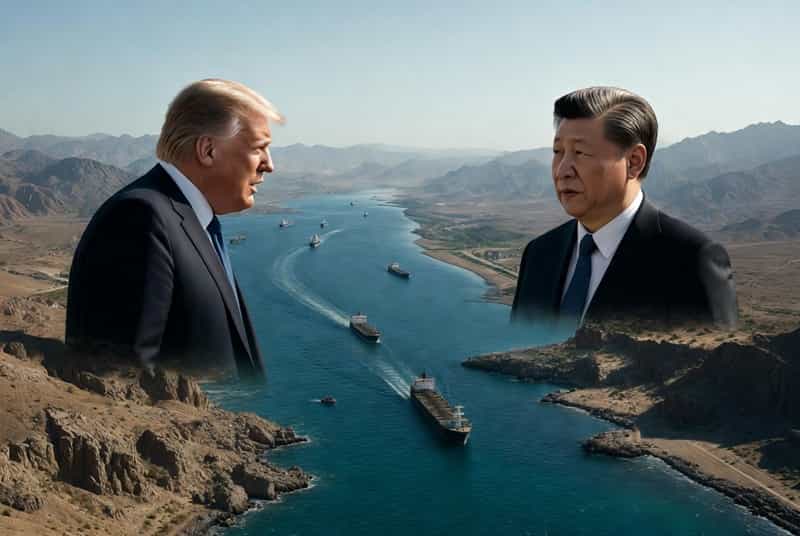
As tensions rise in the Middle East once again, a new question is beginning to dominate geopolitical discussions: could China be drawn into a conflict involving Iran and the United States? The issue gained urgency after Beijing confirmed that one of its oil tankers was attacked near the Strait of Hormuz earlier this week. While the identity of those responsible remains unclear, the incident has highlighted just how vulnerable China’s economic interests are in one of the world’s most volatile regions.
For years, China has carefully positioned itself as a global power that prefers diplomacy over military confrontation. However, the latest developments in the Gulf are testing that strategy. Beijing now faces a difficult challenge: protecting its energy lifelines and strategic partnerships without becoming directly involved in a widening regional conflict.
Why the Strait of Hormuz Matters
The Strait of Hormuz is one of the most strategically important waterways on the planet. Roughly a fifth of the world’s oil supply passes through this narrow corridor connecting the Persian Gulf to global markets. Any disruption in the area immediately affects oil prices, shipping costs, and international trade.
For China, the stakes are especially high. The country remains the world’s largest importer of crude oil, and a significant portion of those imports comes from the Gulf region. Iran has become one of Beijing’s most important energy suppliers, particularly as Chinese refiners continue purchasing discounted Iranian oil despite Western sanctions.
An attack on a Chinese-linked tanker therefore represents more than an isolated maritime incident. It signals that Chinese commercial interests could increasingly become targets as regional tensions escalate.
China and Iran : Strategic Partners, Not Military Allies
China and Iran have strengthened their relationship steadily over the past decade. In 2021, the two countries signed a long-term strategic cooperation agreement covering energy, infrastructure, trade, and security cooperation. Beijing has also repeatedly criticized unilateral sanctions imposed on Tehran by Washington.
Despite these close ties, China has traditionally avoided becoming militarily entangled in Middle Eastern conflicts. Unlike the United States, Beijing does not maintain a vast military presence in the region. Instead, it relies heavily on economic influence, diplomatic engagement, and trade partnerships.
This approach has allowed China to maintain productive relations not only with Iran but also with Saudi Arabia, the United Arab Emirates, and other Gulf powers. In fact, China played a major diplomatic role in facilitating the restoration of relations between Iran and Saudi Arabia in 2023, a move widely seen as evidence of Beijing’s growing influence in the Middle East.
Yet the current crisis threatens that carefully balanced strategy.
Iran Crisis : A Dangerous Moment for Global Energy Markets
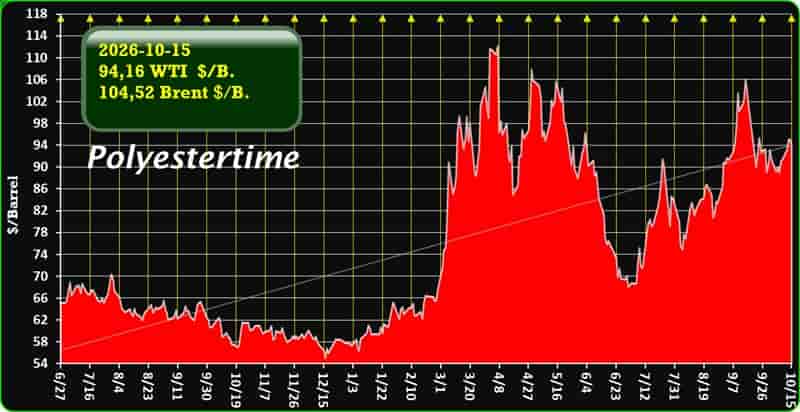
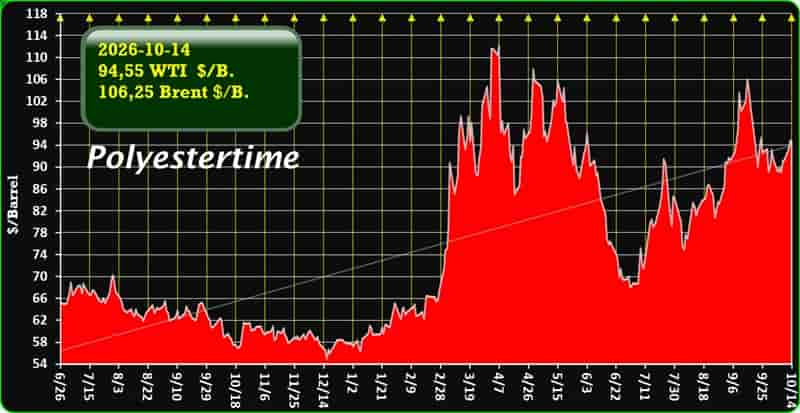
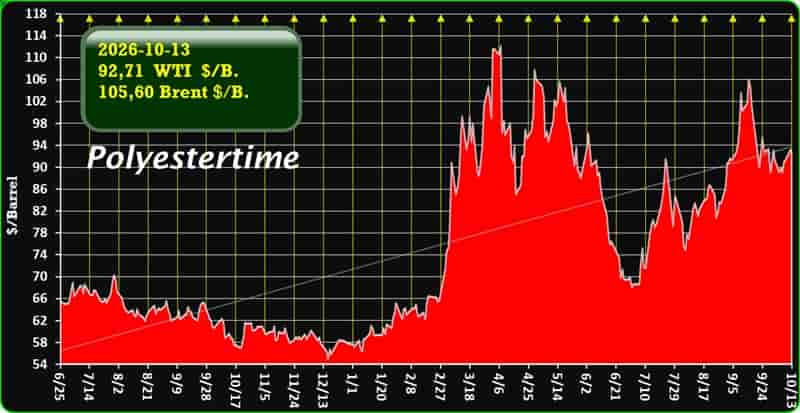
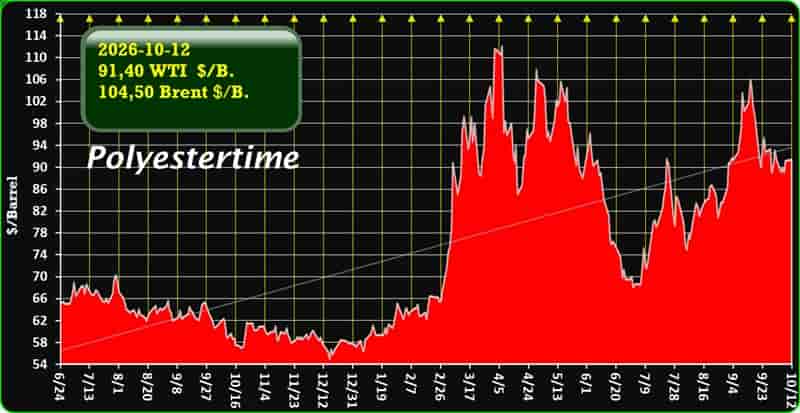
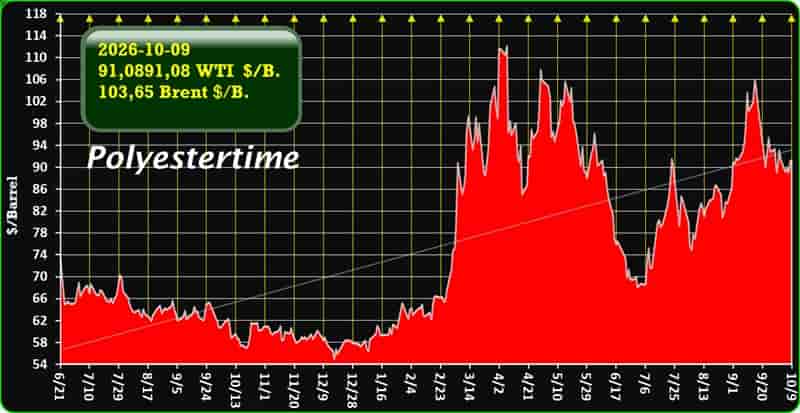
Global markets reacted nervously following reports of the tanker attack. Oil prices briefly surged amid fears that instability in the Strait of Hormuz could disrupt shipping routes. Investors remain concerned that any broader military confrontation involving Iran could lead to attacks on commercial vessels, energy infrastructure, or regional ports.
China is particularly exposed to these risks because of its dependence on imported energy. Unlike the United States, which has significantly expanded domestic oil production over the last decade, China relies heavily on external suppliers to sustain its industrial economy.
If shipping through Hormuz becomes unsafe or heavily restricted, Beijing could face rising energy costs, supply shortages, and slower economic growth at a time when China is already dealing with domestic economic pressures.
This explains why Chinese officials have adopted increasingly cautious but firm language regarding maritime security in the Gulf. Beijing has called for restraint from all parties while simultaneously emphasizing the need to protect international shipping lanes.
Xi Jinping’s Strategic Dilemma
For Chinese President Xi Jinping, the situation presents a highly sensitive geopolitical challenge.
On one hand, abandoning Iran would undermine China’s image as a reliable strategic partner. Tehran views Beijing as a crucial economic lifeline and an important counterweight to American pressure. If China distances itself too aggressively during a Iran crisis, Iranian leaders may reconsider the depth of their partnership with Beijing.
On the other hand, openly supporting Iran could damage China’s broader regional interests and intensify tensions with the United States and its allies. China has substantial economic relationships across the Gulf, including with countries that strongly oppose Iranian regional ambitions.
Xi must therefore navigate a narrow path between strategic loyalty and geopolitical caution.
So far, China appears determined to avoid direct military involvement. Analysts believe Beijing is more likely to increase diplomatic engagement, intelligence coordination, and possibly logistical cooperation rather than commit military assets to any confrontation.
This strategy reflects China’s broader foreign policy doctrine, which prioritizes stability, economic growth, and avoidance of overseas military entanglements.
Could China Expand Its Security Role?
Although Beijing has traditionally avoided military intervention in the Middle East, recent events may accelerate discussions inside China about expanding its regional security presence.
China already operates a military support base in Djibouti near the Red Sea, officially established to support anti-piracy missions and protect shipping routes. Chinese naval patrols have become more common in nearby waters over the past decade.
If attacks on Chinese vessels continue, pressure could grow within China for a stronger naval presence around critical maritime trade routes. Some analysts argue that Beijing may eventually seek a more active role in securing energy corridors linked to its Belt and Road Initiative.
However, such a move would represent a major shift in Chinese foreign policy. Beijing has long criticized what it describes as Western-style military interventionism. Expanding Chinese military operations in the Gulf could expose Beijing to exactly the type of regional conflicts it has traditionally tried to avoid.
The United States Factor
Any Chinese involvement in the Iran crisis would inevitably affect relations with Washington.
The United States has repeatedly accused China of indirectly supporting Iran by purchasing sanctioned oil and helping Tehran withstand economic pressure. American officials argue that Chinese demand provides critical revenue that Iran can use to finance military and regional activities.
At the same time, the broader US-China relationship remains deeply competitive across trade, technology, military influence, and global diplomacy. The Middle East is increasingly becoming another arena where both powers are competing for influence.
Still, neither Washington nor Beijing appears eager for direct confrontation over Iran. Both sides understand that a wider regional war would damage the global economy and increase geopolitical instability.
This mutual caution may create opportunities for diplomatic coordination, even amid broader strategic rivalry.
How the Iran Crisis Could Reshape China’s Global Role
The current tensions may ultimately become a defining moment for China’s emergence as a global power.
For decades, Beijing benefited from a relatively simple formula: expand trade, avoid military conflicts, and rely on the security framework largely maintained by the United States. But as China’s overseas economic interests grow, protecting those interests becomes increasingly difficult without greater geopolitical involvement.
The attack near the Strait of Hormuz demonstrates this reality clearly. Chinese businesses, shipping companies, and energy infrastructure are now deeply connected to regions marked by instability and conflict.
As a result, Beijing may find it harder to remain neutral during future crises.
Some experts believe China will continue developing an alternative model of international influence based on mediation, economic leverage, and selective security cooperation rather than large-scale military intervention. Others argue that China’s expanding global footprint will eventually force it into a more traditional great-power role that includes stronger military commitments abroad.
The outcome of the Iran crisis could provide important clues about which direction Beijing chooses.
An Uncertain Road Ahead
For now, China remains on the sidelines of the conflict, carefully balancing diplomacy, economic interests, and strategic caution. Yet the attack on its tanker underscores a growing reality: as China’s global influence expands, so do the risks and responsibilities that come with it.
The Middle East remains one of the world’s most unpredictable regions, and even countries seeking neutrality can find themselves pulled into crises against their wishes. Beijing’s response in the coming weeks will be closely watched not only in Tehran and Washington but across global markets and diplomatic circles.
Whether China ultimately deepens its involvement or successfully maintains distance from the conflict, the events unfolding near the Strait of Hormuz are likely to shape Chinese foreign policy for years to come.
More….