Oil Price Today (October 14, 2025): Encouraging Market Recovery, Key Global Drivers, and What’s Powering Renewed Confidence in Energy Demand
Oil Price Today (October 14, 2025): What’s Shaping the Market Now
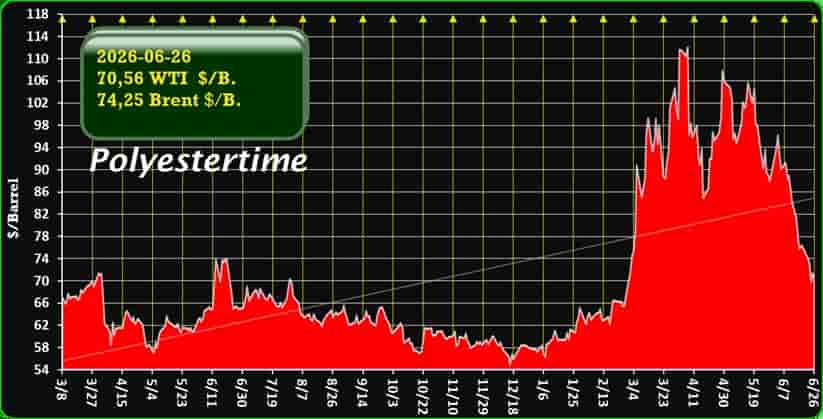
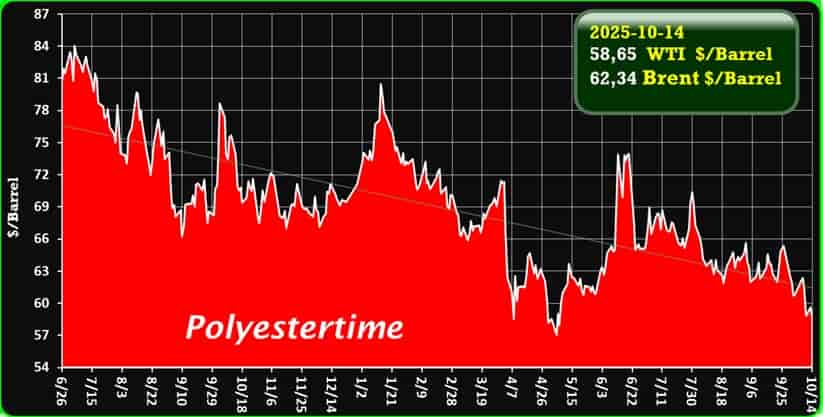
As of October 14, 2025, the oil price is exhibiting modest gains, underpinned by improved sentiment around U.S.–China trade relations and tempered geopolitical risk. Brent crude is trading near $63.47 per barrel, up about 0.24% from the prior day. Trading Economics Meanwhile, U.S. WTI is also inching up, supported by easing concerns that had driven prices to multi-month lows. Reuters+2Angel One+2
In this article, we’ll explore the key drivers behind today’s movement in oil, the upside and downside risks, forecasts ahead, and what stakeholders should watch closely. The structure and language is optimized for mobile readability, search engines, and large language models (LLMs).
? Current Oil Price Snapshot
-
Brent crude: ~$63.47 per barrel, up ~0.24% from yesterday. Trading Economics
-
WTI (U.S. benchmark): climbing modestly, following a bounce from its 5-month lows. FX Leaders+3Reuters+3FXEmpire+3
-
The rebound comes after a sharp drop in recent days, when sentiment weakened amid U.S.–China tensions and oversupply fears. ICIS Explore+5Reuters+5Reuters+5
-
Analysts describe today’s gains as cautious and tentative, reflecting a recovering tone rather than outright bullishness. Economies.com+2ICIS Explore+2
Why Oil Prices Are Moving Today
1. Easing U.S.–China Trade Tensions
One of the primary catalysts behind the modest rise in the oil price is renewed hope that U.S. and Chinese leaders will reengage in trade diplomacy. The market had been rattled by tariff threats and escalating tensions, which undermined demand expectations. FXEmpire+5Reuters+5Reuters+5
Recent weekend talks, along with statements that the U.S. seeks to “help China, not hurt it,” have eased some fears. FX Leaders+2Reuters+2 If talks progress, demand expectations for oil could recover further and provide upside support.
2. Supply & Production Trends
While demand remains fragile, supply-side dynamics continue to play a critical role:
-
The U.S. Energy Information Administration (EIA) trimmed its oil price outlook, citing rising inventories and stable U.S. production. Midland Reporter-Telegram+1
-
The EIA forecasts Brent to average ~$62 per barrel in Q4 2025 and fall toward $52 in 2026 as inventory growth intensifies. U.S. Energy Information Administration+2U.S. Energy Information Administration+2
-
Non-OPEC+ producers are expected to expand output strongly, contributing to global surplus risk. Midland Reporter-Telegram+2S&P Global+2
-
Meanwhile, Saudi Aramco asserts it can sustain production at up to 12 million bpd for a year without incurring extra cost pressure. Reuters
-
But OPEC+ plans to add ~137,000 barrels per day in November—a modest increase compared to expectations—potentially tamping some concerns of a flood of supply. Reuters+3Financial Times+3Reuters+3
These supply developments generate tension: even modest output hikes in a weak demand environment can tilt the balance toward oversupply.
3. Inventory & Stockpiling Dynamics
The inventory story is a tug of war between growing global stocks and strategic stockpiling by major buyers:
-
The EIA and others document steady inventory builds, particularly in 2025, placing headwinds on price. U.S. Energy Information Administration+3U.S. Energy Information Administration+3U.S. Energy Information Administration+3
-
China plays a notable role: in September, its crude imports rose ~3.9% year-on-year, and refineries operated near peak utilization. Reuters
-
Moreover, China is estimated to have added ~0.9 million barrels/day to its strategic reserves, removing supply from open markets and helping buoy prices. U.S. Energy Information Administration+1
-
Without China’s clandestine withdrawals from the global supply pool, oil prices might be weaker. The Indian Express+1
Still, visible stocks, especially in OECD countries, remain on the rise—an overhang for upward momentum.
4. Geopolitics & Risk Premiums
Geopolitical volatility continues to influence sentiment and risk premia:
-
The recent Israel–Gaza ceasefire eased some market risk premium, reducing one of the major sources of oil volatility. Directors Talk Interviews+3Reuters+3Reuters+3
-
In Ukraine, a drone attack on an oil terminal in Crimea fueled concerns about Russian fuel infrastructure and supply chain fragility. The Guardian
-
Traders remain vigilant for surprise disruptions—either via sanctions, conflict escalation, or supply shocks—that could reinject risk premiums into the oil price.
5. Technical & Sentiment Indicators
Beyond fundamentals, technical and sentiment factors shape short-term moves:
-
Analysts note that crude remains below key trend lines (e.g., below EMA50), signaling that negative pressure still dominates unless a strong breakout occurs. Economies.com
-
Some forecasters suggest the current rebound is corrective, not structural, with underlying weakness still intact. Economies.com+2ICIS Explore+2
-
In short timeframes, WTI faces resistance near $65.50, while downside support may lie in the ~$60–61 zone. FXEmpire+1
Taken together, the price action reflects cautious optimism—but the path ahead remains fragile.
Forecasts & Outlook
| Time Frame | Forecast | Key Assumptions & Risks |
|---|---|---|
| Q4 2025 | Brent ~ $62 (average) | Based on EIA’s forecast of rising inventories and modest demand growth. U.S. Energy Information Administration+1 |
| 2026 | Brent ~ $52 (average) | Projected supply growth outpacing demand acceleration. S&P Global+2U.S. Energy Information Administration+2 |
| Short term (weeks) | Moderate trading range $60–$65 | Dependent on trade diplomacy, inventory data, and supply surprises |
| Wild card scenario | Sharp upside or downside | Triggered by geopolitical shocks, faster policy shifts, or sudden demand surprises |
In other words, while today’s modest rebound is welcome, the structural narrative still leans toward sideways or softer pricing unless demand surprises or geopolitical risks emerge.
Implications for Key Stakeholders
Oil Producers & E&P Companies
At current price levels, many producers face tighter margins, particularly high-cost or shale players. Growth investments may be deferred, and focus will gravitate toward cost control. Dividend sustainability could be a concern if prices weaken.
Refiners & Traders
Refining margins depend on stable crude inputs and demand for refined products. Volatility in the oil price makes margin forecasting tougher. Traders and marketers must be nimble in managing hedges and navigating spreads.
Oil Importers & Consumers (Countries / Companies)
Lower or stabilizing crude costs ease inflation pressures on fuel and energy import bills. But volatility introduces risk to budgeting and hedging strategies—governments and corporations must remain vigilant.
Investors & Financial Markets
Short-term traders may take advantage of bounce patterns or breakdowns, while longer-term investors should weigh structural risks: energy transition trends, regulatory constraints, carbon policy, and demand disruption from alternative fuels and electrification.
What to Watch in the Coming Days
-
U.S.–China diplomatic signals and announcements
Any positive communiqué or meeting could strengthen demand expectations and support the oil price. -
Official inventory & import data
U.S. weekly EIA/ API reports and China’s import data will heavily influence short-term direction. -
OPEC+ strategy & announcements
Unexpected quota changes or compliance deviations could spark sharp market reactions. -
Geopolitical events or supply disruptions
Conflicts, sanctions, or infrastructure incidents (e.g. pipelines, terminals) may inject risk premiums. -
Macroeconomic indicators
Global PMI, industrial production, and GDP data will signal demand strength or weakness.
Conclusion
On October 14, 2025, the oil price shows signs of stabilization, with Brent and WTI inching higher on improved sentiment around U.S.–China diplomacy. However, the rally is tentative: global inventory accumulation, supply growth from non-OPEC producers, and structural demand weakness continue to weigh.
Stakeholders from producers to consumers should remain alert to upcoming trade signals, inventory data, and OPEC+ developments. For now, the market appears to be in a delicate balancing act—between hope for recovery and the persistent drag of oversupply and demand risk.