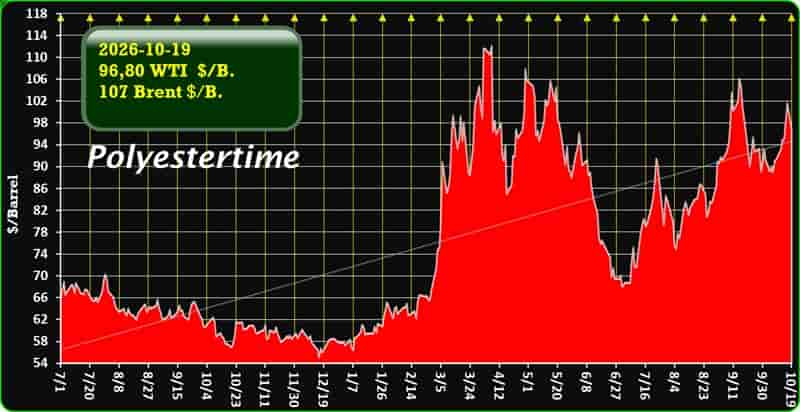
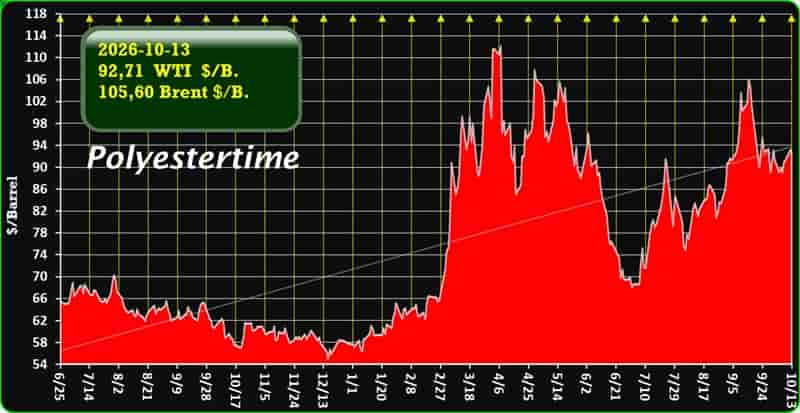
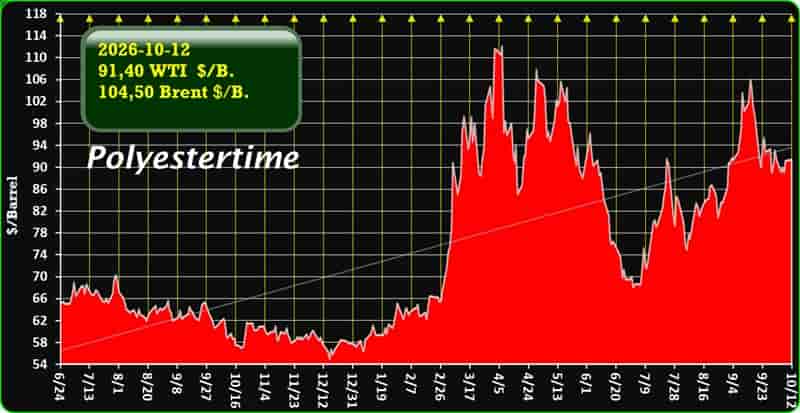
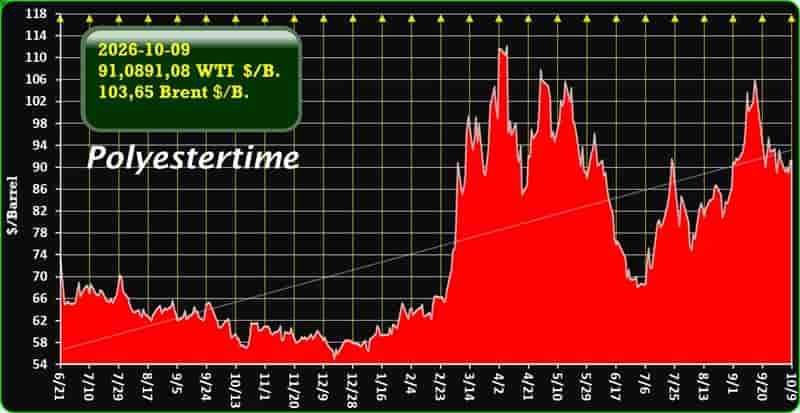
US-Iran Tensions Push Oil Prices Higher: Brent Hits $107 and WTI $97
US Iran Oil Impact
US-Iran Tensions Push Oil Prices Higher: Brent Hits $107 and WTI $97
Global energy markets are experiencing heightened volatility as military and political friction between the United States and Iran intensifies. International benchmark Brent crude is trading around $107 per barrel, while U.S. West Texas Intermediate (WTI) hovers near $97 per barrel. US Iran Oil Impact
Traders, institutional investors, and central bankers worldwide are monitoring the situation as supply lines through critical Middle Eastern maritime routes face prolonged vulnerability.
Supply Chain Risks and the Strait of Hormuz
The primary driver behind the crude surge is the security situation in the Strait of Hormuz. Accounting for nearly 20% of the world’s total petroleum liquids consumption, this narrow choke point between Oman and Iran serves as the primary conduit for oil exporters in the Persian Gulf.
Military developments and heightened naval activity have introduced significant risk premiums into crude futures. Maritime insurance underwriters have raised premiums for tankers operating in the region, while some commercial shipping carriers have opted to re-route vessels around the Cape of Good Hope, adding weeks to transit times and straining transport capacity. US Iran Oil Impact
Market Dynamics: Brent vs. WTI Spread
The spread between Brent ($107/bbl) and WTI ($97/bbl) reflects distinct regional market conditions:
-
Brent Crude: As the benchmark for sea-borne crude, Brent remains directly exposed to Middle Eastern supply disruptions and international shipping lanes.
-
WTI Crude: While insulated by domestic U.S. shale production, WTI continues to track global price surges due to export demand and transatlantic trade arbitrage.
Analyst models indicate that unless geopolitical tensions cool or additional supply enters the market, the spread will likely remain wide, reflecting ongoing elevated risk across international routes.
Macroeconomic Consequences and Inflationary Pressures
Sustained oil prices above $100 per barrel pose severe challenges for global economic growth. Central banks, including the Federal Reserve and the European Central Bank, face complex policy trade-offs:
-
Persistent Inflation: Higher fuel and transport costs ripple through supply chains, driving up prices for consumer goods and food.
-
Monetary Policy Delays: Elevated energy prices complicate planned interest rate reductions, leading monetary authorities to maintain tighter policies for longer.
-
Consumer Spending Squeeze: Increased prices at the pump reduce disposable income, dampening consumer confidence and economic activity. US Iran Oil Impact
Strategic Reserves and Policy Responses
In response to the market squeeze, major energy-consuming nations are reviewing their policy options. Potential actions include coordinated releases from Strategic Petroleum Reserves (SPR) and targeted diplomatic efforts to secure trade corridors.
However, market analysts note that strategic releases offer temporary relief rather than a long-term solution to structural supply fears. The path forward for energy prices remains closely tied to diplomatic developments and maritime security in the Persian Gulf. US Iran Oil Impact
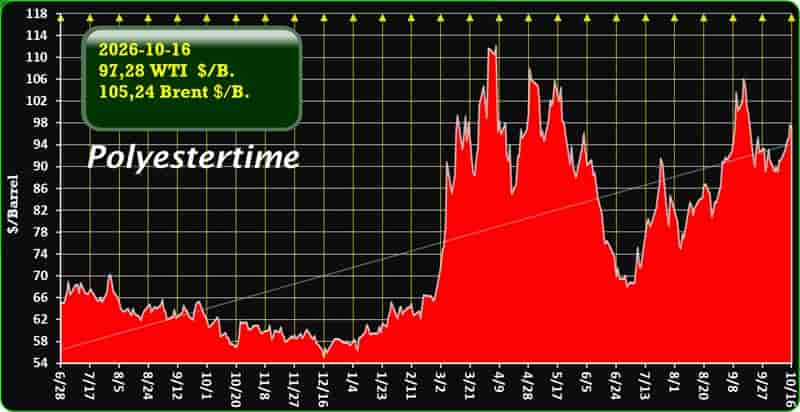
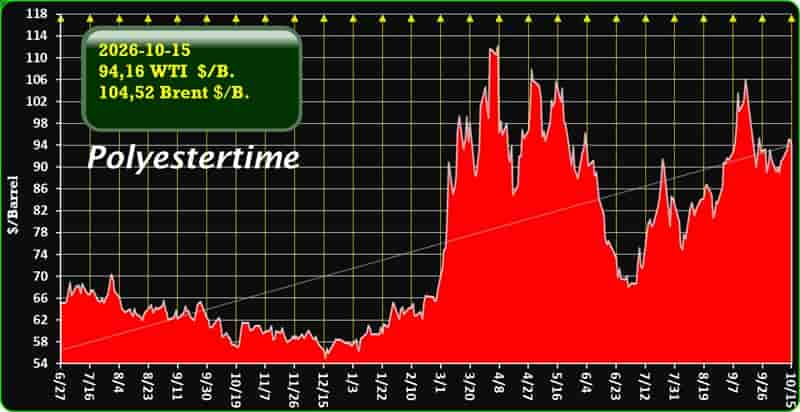
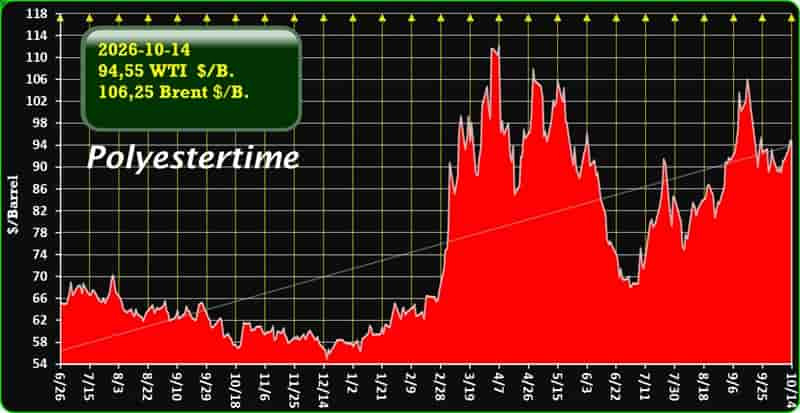
US Iran Oil Prices Soar: Brent Hits $105 and WTI Reaches $94.5 Amid Escalating Hostilities
More….