APR Expands Recycled Content Certification for Plastic Products
APR has extended its PCR program to verify the percentage of post-consumer recycled plastic in finished and semi-finished products across the supply chain.

APR has extended its PCR program to verify the percentage of post-consumer recycled plastic in finished and semi-finished products across the supply chain.
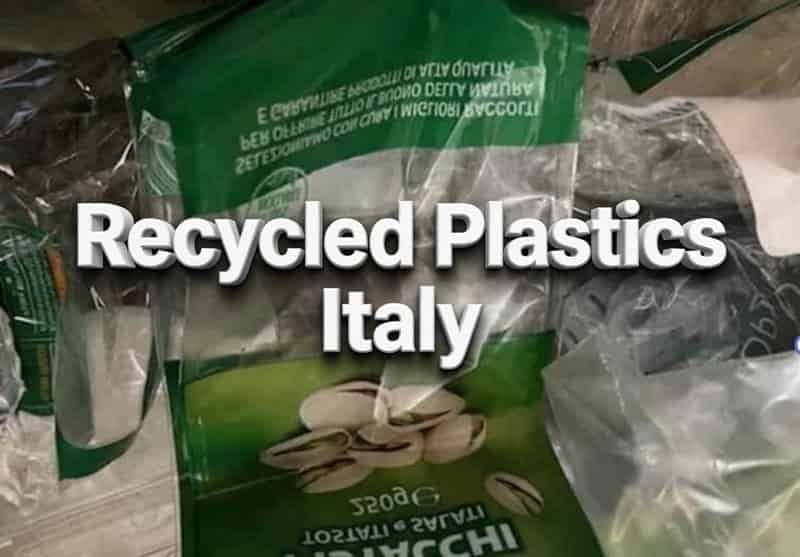
Italy’s recycled plastics market is showing its first consumption decline in years, as weak demand, cheaper virgin polymers and imports pressure recyclers.
The U.S. Plastics Pact introduces a national framework to strengthen flexible packaging recycling, focusing on design standards, collection systems and end market development.
APR releases proactive PET caps guidance, aligning recyclers and packaging producers to protect RPET quality, support mono-material design, and strengthen long-term recyclability standards.
Aimplas leads the Redes4Value project to recycle nylon fishing nets into high-performance materials, closing the loop on polyamides and reducing marine pollution through advanced recycling technologies.
Solving plastics recycling challenges requires advanced additives that stabilize recycled feedstock, improve processing, and enable high-quality products in a truly circular economy.
Faerch accelerates circular packaging by expanding tray rPET production through its Cirrec recycling division, securing supply stability, quality assurance, and long-term resilience for food packaging customers across Europe.
New research shows that both virgin and recycled PET bottles can leach toxic additives and hazardous chemicals, intensifying scrutiny of plastics amid rising recycled content mandates.