Iran War Oil Prices: What Comes Next for Brent and WTI?
Iran war oil prices have fallen from their latest highs, but Brent and WTI remain vulnerable to renewed attacks, disrupted shipping and setbacks in US-Iran diplomacy.

Iran war oil prices have fallen from their latest highs, but Brent and WTI remain vulnerable to renewed attacks, disrupted shipping and setbacks in US-Iran diplomacy.
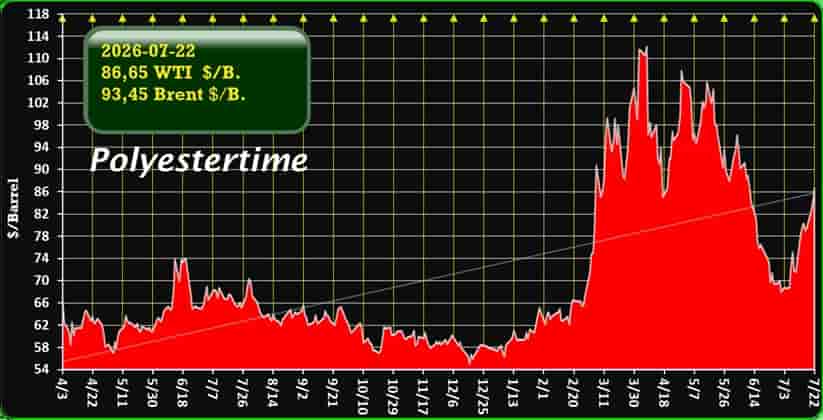
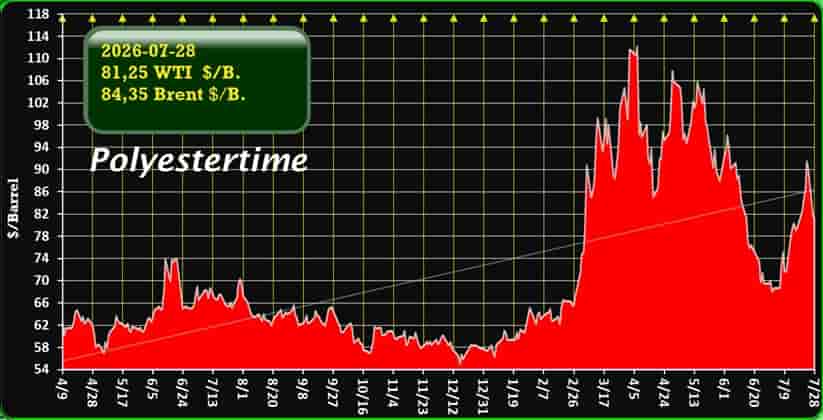
Oil markets remain highly sensitive to developments in the US–Iran war. Brent is trading around $86 per barrel and WTI around $83 in the referenced market snapshot, while fragile diplomacy and risks to shipping through the Strait of Hormuz continue to drive sharp price movements.
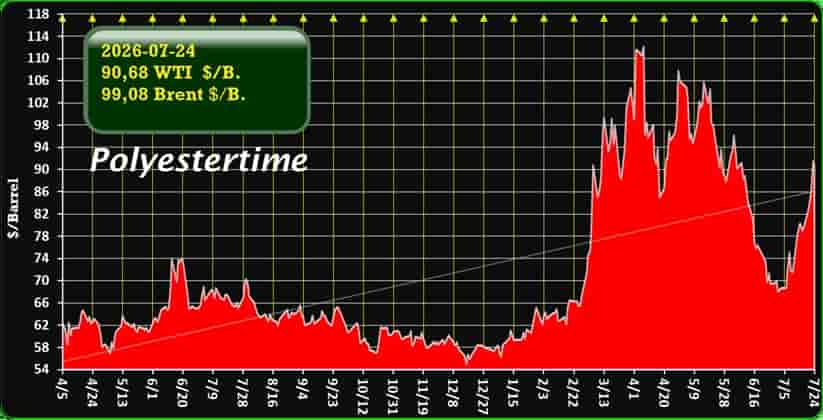
Brent is trading near $99 a barrel and WTI near $91 as the US–Iran conflict and attacks on critical shipping routes increase global supply risks.
Brent crude is approaching $97 per barrel and WTI is near $89 as renewed US–Iran hostilities and attacks on strategic shipping routes raise fears of another global energy supply shock.
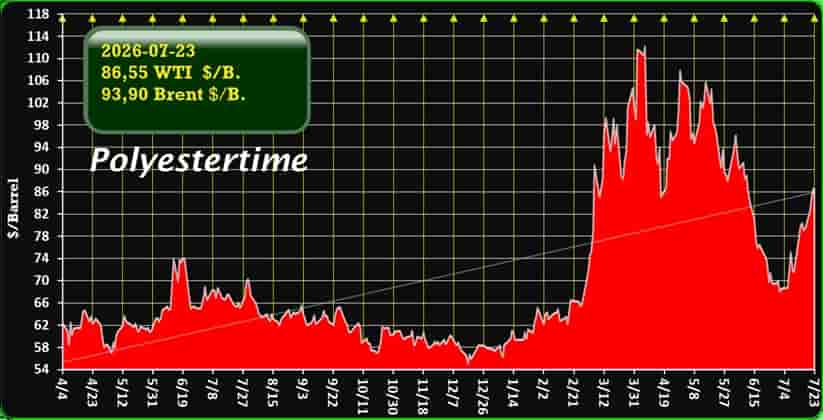
Brent is trading near $93 and WTI near $86 as renewed U.S.–Iran hostilities raise risks for the Strait of Hormuz, shipping routes and global energy supplies.
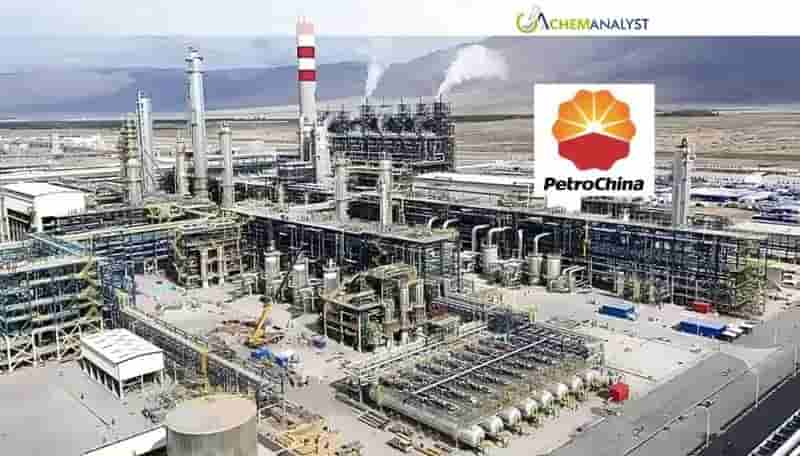
PetroChina’s new Xinjiang ethylene project adds 1.2 million tonnes of annual capacity while shifting more chemical production toward western China.
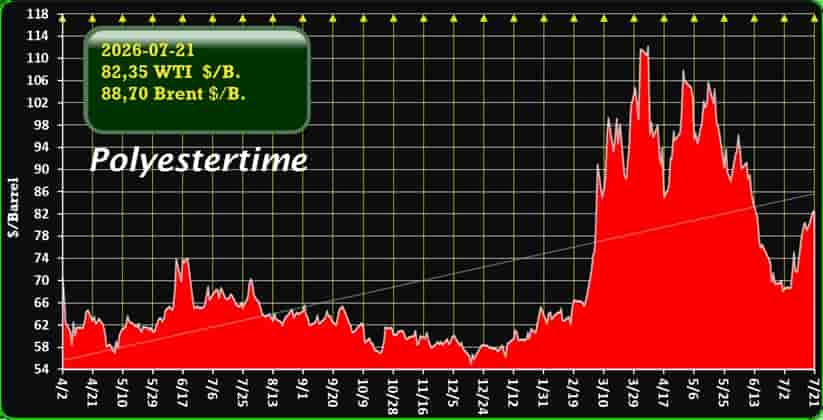
US-Iran hostilities and renewed threats to shipping through the Strait of Hormuz have lifted the geopolitical risk premium in crude oil. With Brent near $88 and WTI around $82, traders are weighing supply disruption against possible ceasefire negotiations.
An Indian inventor says his modified motorcycle can achieve 176 kilometers per liter. Here is what is known about the six-stroke engine and why independent testing is still essential.
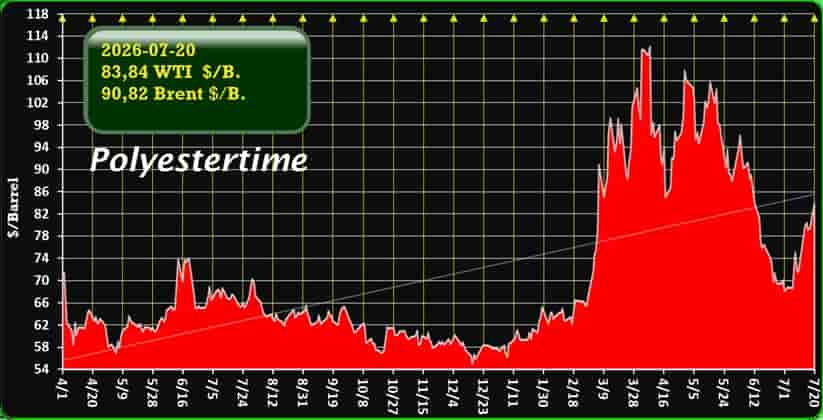
Brent is trading near $91 a barrel and WTI around $84 as renewed US-Iran fighting raises concerns about the Strait of Hormuz, regional supply and inflation.